Skip to content
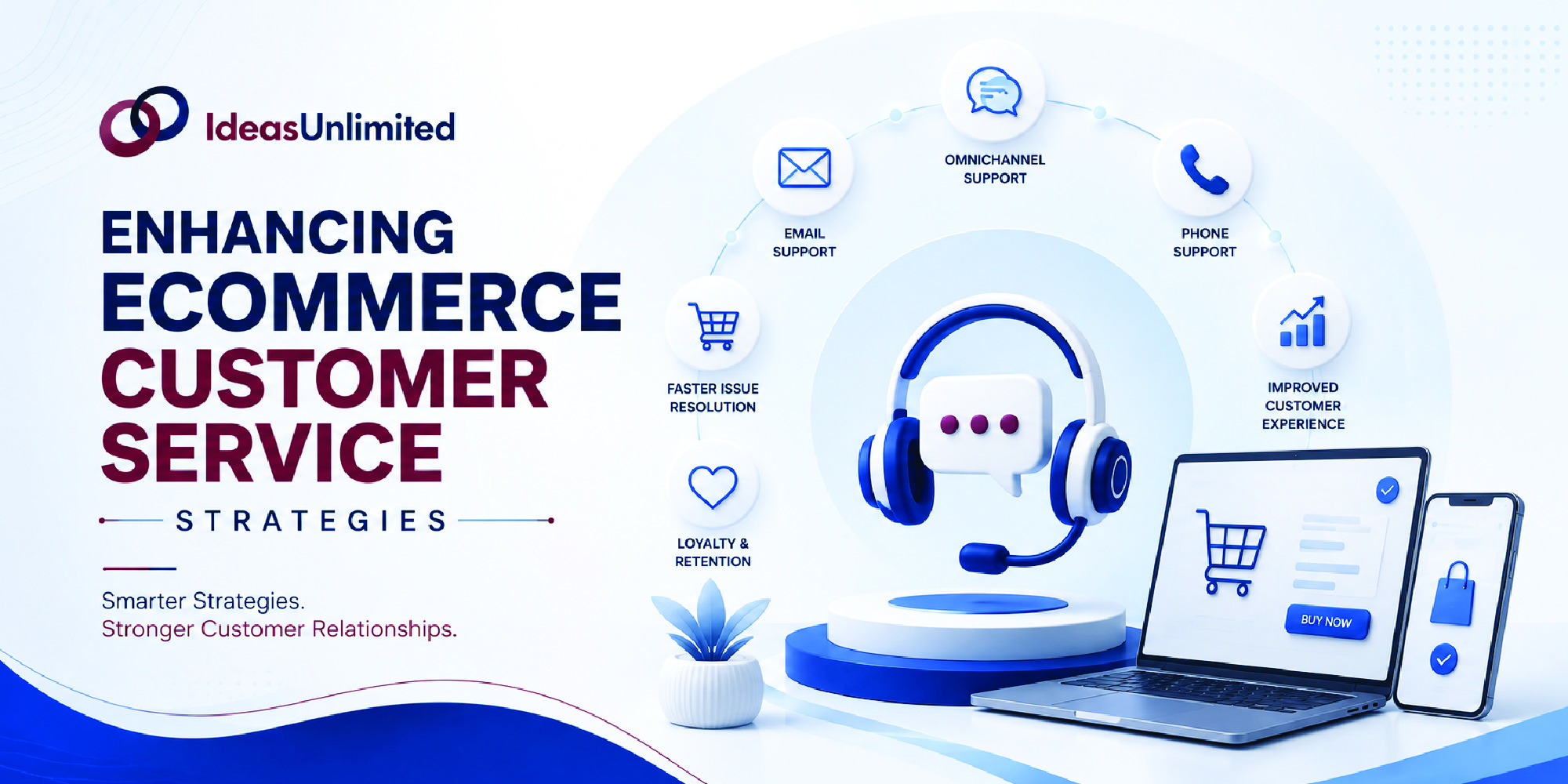
Ecommerce shoppers expect fast answers, clear policies, and easy access to support. When service feels effortless, customers are more likely to buy, return, and recommend your store. When it feels slow or confusing, even great products lose sales.
Ecommerce customer service is not only about solving problems. It supports the buying journey, retention, and the overall brand experience. This guide breaks down the essentials of strong ecommerce customer service strategies, with practical customer service tips you can apply quickly.
Why Ecommerce Customer Service Matters
Online shopping has fewer human touchpoints than physical retail. Customers rely on product pages, policies, automated updates, and support teams to make confident decisions. Strong service builds trust and reduces friction across the moments that matter most:
- Pre-purchase questions that influence conversion
- Checkout issues that cause cart abandonment
- Post-purchase concerns that affect loyalty and reviews
Good service also protects your marketing spend. If shoppers arrive from search, social, or email and then hit unclear policies or slow responses, acquisition costs rise while repeat purchases fall.

Support Across the Ecommerce Customer Journey
Customer needs change depending on where they are in the journey. Map your support approach to these stages.
Before the Purchase
Shoppers want clarity so they can choose confidently. Common needs include sizing and fit, materials, compatibility, shipping estimates, payment options, promotions, and return policies. Fast, accurate pre-purchase support can directly increase conversion.
During the Purchase
Checkout is a high-risk moment. Provide visible, easy-to-reach help for discount code issues, payment declines, address errors, and delivery option questions. Speed matters here because delays often equal lost orders.
After the Purchase
Post-purchase support shapes satisfaction and trust. This is where customers ask about order status, delivery delays, damaged or missing items, returns and exchanges, warranties, subscriptions, and refund timing. A smooth experience here is central to customer experience management because it impacts retention and lifetime value.
After the Customer Uses the Product
Help customers get value from what they bought. Product care guides, setup instructions, troubleshooting, and how-to content can reduce preventable returns and increase satisfaction.

IdeasUnlimited can support ecommerce businesses across every stage of the customer journey. Its outsourced customer support teams can handle pre-purchase questions, checkout assistance, order and delivery inquiries, returns, exchanges, and post-purchase concerns. This gives ecommerce businesses additional support capacity while helping maintain consistent service as customer volume grows.
The Role of Customer Experience Management
Customer experience management is the practice of designing, measuring, and improving customer interactions across the entire brand experience. Customer service is one of the most visible parts of that experience because it appears when customers are uncertain or frustrated.
Use support conversations as insight. If shoppers repeatedly ask the same question, the answer may belong on your product page or in your help center. If customers ask about delayed refunds, improve return timelines, status emails, or add a self-service refund tracker. The goal is to reduce friction, not just respond to it.
That’s where IdeasLimited’s Ecommerce Virtual Assistant Services make your life easy!
Core Principles of Effective Ecommerce Customer Service
Make help easy to find
Place contact options, policies, and help content where shoppers naturally look: on product pages, in the cart and checkout, on order confirmation pages, and in account dashboards. The easier it is to find help, the less frustrated customers become before they even reach an agent.
Be fast and useful
Speed is important, but resolution matters more. Strong responses acknowledge the issue, answer the actual question, explain the next step, set timing expectations, and provide links or resources when helpful.
Keep information consistent
Customers lose trust when policies, chatbots, and agents give conflicting answers. Align website content, automated messages, templates, and training so customers get the same core guidance across channels.
Personalize without adding effort
Use context (like order number and purchase history) so customers don’t have to repeat themselves. Personalization should reduce customer effort and feel helpful, not intrusive.
Balance automation and human support
Automation can handle repetitive tasks such as order tracking, FAQs, and routing. Human support is essential for complex, emotional, or high-value cases. Ensure it is easy to reach a person when needed.

Build a Strong Service Foundation
Define service standards
Set realistic expectations for first response time, resolution time, tone, escalation rules, refund and replacement guidelines, and follow-up. Standards create consistency and help you measure performance.
Create clear policies
Many tickets start with unclear rules for shipping, returns, exchanges, warranty, subscriptions, and promotions. Write policies in plain language, keep them easy to find, and keep them consistent across channels.
Build (and maintain) a help center
A help center reduces repetitive tickets and improves self-service. Organize it around customer questions (orders and tracking, shipping and delivery, returns and exchanges, payments, product info, account management, troubleshooting). Review content regularly so it stays accurate.
Use templates carefully
Templates improve speed and consistency, especially for order status, return instructions, and discount issues. Encourage agents to personalize the opening line, restate the customer’s situation, and confirm next steps.
Choose the Right Support Channels
You do not need to be everywhere, but you should support the channels your customers use most.
- Email: best for detailed questions (returns, warranty, billing, wholesale).
- Live chat: ideal for pre-purchase help and checkout issues that impact conversion.
- Chatbots/virtual assistants: useful for FAQs and order tracking, with a clear handoff to a human.
- Phone: helpful for urgent or complex issues and high-value purchases (keep hold times reasonable).
- Social media: respond quickly and move sensitive details to private messages.
- SMS/messaging: great for order updates and delivery notifications, with customer consent.
IdeasUnlimited can support ecommerce businesses that need additional multichannel customer service capacity without expanding their entire internal support operation.
Customer Service Tips to Improve Ecommerce Support
1. Reduce avoidable contacts
If customers repeatedly ask the same questions, improve the experience upstream. Strengthen product descriptions, add size charts, show delivery estimates before checkout, and clarify return steps.
2. Set expectations early and repeat them
Uncertainty creates frustration. Be clear about shipping timelines, processing times, support response times, refund timing, and return eligibility. If delays happen, communicate proactively.
3. Make order updates and tracking effortless
Reduce “Where is my order?” tickets with proactive emails/SMS and easy tracking access in the customer account. If items ship separately, explain split shipments clearly.
4. Handle delivery issues with ownership
Customers see the brand as responsible, even when carriers are involved. Use clear workflows for lost packages, marked-delivered issues, damaged packaging, missing items, and address problems. Explain what you will do next and when the customer will hear back.
5. Make returns and exchanges simple
Returns are part of ecommerce. Provide step-by-step instructions, easy access to labels (when applicable), transparent refund timing, and status updates after you receive the return.
6. Lead with empathy, then policy
Start by acknowledging the frustration, then explain options. Empathy improves outcomes in situations involving late delivery, damaged items, and missing packages without requiring you to approve every request.
7. Empower agents to resolve common issues
Give agents access to order history and shipping details, along with clear limits on refunds, replacements, and goodwill credits. Empowerment reduces transfers and speeds up resolution.
IdeasUnlimited helps ecommerce industries extend their customer support capabilities through outsourced support teams, allowing ecommerce companies to maintain service quality while scaling their operations.
Use Data and Technology to Improve Service
Measure both efficiency and customer sentiment. Track operational metrics (ticket volume, first response time, resolution time, reopen rate, escalation rate) and experience signals (customer satisfaction, repeat purchase behavior, review sentiment, customer effort).
Then analyze contact reasons to identify root causes: order status, shipping delays, return requests, product questions, payment issues, and discount code problems. Fixing the underlying issue often reduces future tickets more than hiring more agents.
Helpful tools include a help desk platform (shared inbox, assignment, macros, reporting), knowledge base tools, and automation for routing and self-service. If you use AI, review accuracy regularly and keep it aligned with current policies.
IdeasUnlimited’s Ecommerce Virtual Assistant Services leverage both data and technology to help businesses improve efficiency and deliver better customer experiences.
A Practical Ecommerce Service Improvement Plan
- Audit the journey: Can customers find help, understand policies, and track orders without contacting you?
- Prioritize top drivers: Focus on the biggest sources of friction (tracking, returns, sizing, shipping delays).
- Improve self-service: Update help center content, product page FAQs, and status messaging.
- Strengthen workflows: Update templates, escalation rules, and agent guidance for common scenarios.
- Measure and refine: Look for lower contact volume, faster resolutions, higher satisfaction, and fewer repeat contacts.

Bringing It All Together
Effective ecommerce customer service is built on clarity, speed, empathy, consistency, and continuous improvement. Treat service as part of customer experience management: use questions and complaints to improve product pages, policies, order updates, and self-service.
Start with the fundamentals: easy contact options, clear policies, a helpful help center, proactive communication, and empowered agents.
IdeasUnlimited’s Ecommerce Support can serve as an extension of your company’s support operation, helping your team manage customer interactions while the business focuses on growth. When service is done well, customers feel informed before they buy, reassured after they order, and respected when they need help—and that trust drives repeat purchases.